
Understanding Varicose Veins: Causes, Symptoms, and Modern Treatments
What Are Varicose Veins?
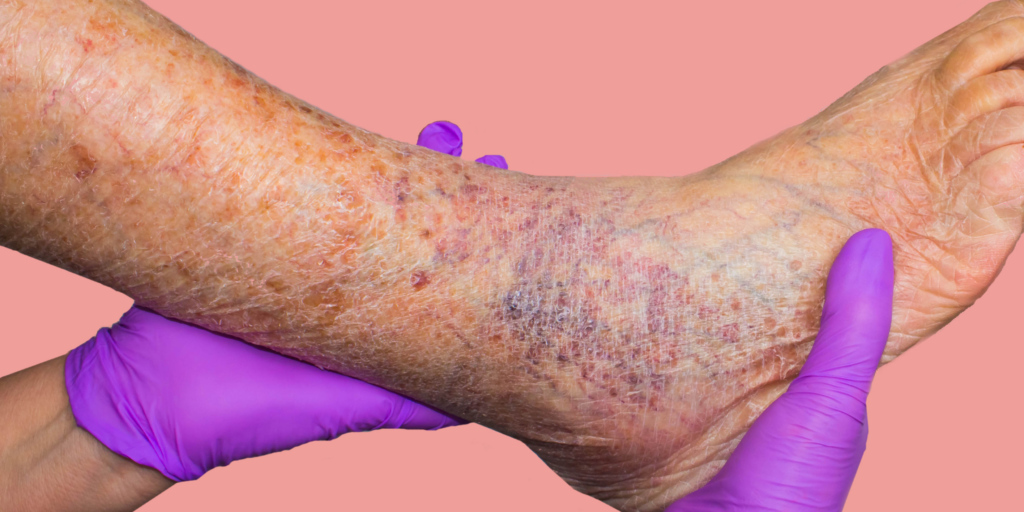
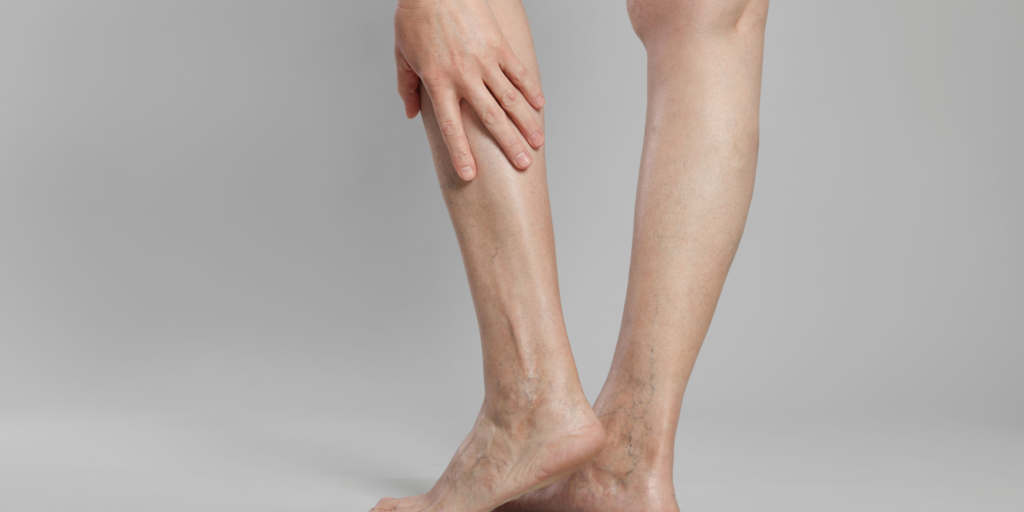
Varicose veins are enlarged, twisted veins that most commonly appear on the legs. They develop when the valves inside the veins stop working properly, causing blood to flow backward and pool in the veins. Over time, this increased pressure makes the veins swollen, visible, and sometimes painful.
Although varicose veins are often thought of as a cosmetic issue, they are actually a medical condition related to poor blood circulation and should not be ignored.
Why Do Varicose Veins Occur? (Causes)
Our veins carry blood back to the heart against gravity, especially from the legs. To do this efficiently, veins have one-way valves. When these valves weaken or get damaged, blood begins to collect in the veins, leading to varicose veins.
Common Causes & Risk Factors
- Prolonged standing or sitting (teachers, office workers, drivers)
- Family history of varicose veins
- Pregnancy (hormonal changes and increased pressure)
- Obesity, which puts extra strain on leg veins
- Advancing age, as vein walls and valves weaken over time
- Lack of physical activity
- Hormonal changes, especially in women
Early Warning Signs and Symptoms
Varicose veins often start subtly and worsen gradually. Recognizing early symptoms helps in timely and simpler treatment.
Common Symptoms Include:
- Heaviness or tiredness in the legs
- Aching or throbbing pain, especially after standing long hours
- Swelling around ankles and calves
- Itching or burning sensation over veins
- Night cramps
- Visible, bulging, or twisted veins
- Skin discoloration or thickening in advanced stages
Ignoring these symptoms may lead to serious complications like skin ulcers, infections, or blood clots.
Are Varicose Veins Dangerous?
In early stages, varicose veins may cause discomfort but no immediate danger. However, if left untreated, they can progress to:
- Chronic leg pain and swelling
- Skin darkening and eczema
- Non-healing ulcers near the ankle
- Bleeding from superficial veins
- Increased risk of vein infections
- Rarely, clot formation
This is why early medical evaluation is strongly recommended.
How Are Varicose Veins Diagnosed?
Diagnosis usually involves:
- Clinical examination
- Doppler Ultrasound Scan, which maps blood flow and identifies faulty veins
Ultrasound is painless, non-invasive, and essential for planning the right treatment.
Modern Treatment Options for Varicose Veins
Medical science has advanced significantly. Today, most varicose vein treatments are minimally invasive, meaning no major surgery, no stitches, and fast recovery.
1. Endovenous Laser Ablation (EVLA)
- Uses laser energy to seal the faulty vein from inside
- Performed under local anesthesia
- No large cuts or scars
- Same-day discharge
2. Radiofrequency Ablation (RFA)
- Uses controlled heat through radiofrequency energy
- Less discomfort and quick recovery
- Walk-in, walk-out procedure
3. Foam Sclerotherapy
- Special foam is injected to close smaller veins
- Often used for residual or spider veins
3. Foam Sclerotherapy
- Used in early stages or as supportive care
- Helps reduce symptoms but does not cure faulty veins
These treatments allow blood to naturally reroute through healthy veins, improving circulation and relieving symptoms.
Recovery After Modern Varicose Vein Treatment
One of the biggest advantages of minimally invasive treatments is fast recovery:
- Walking is encouraged on the same day
- Most patients return to normal activities within 1–2 days
- Minimal discomfort
- Visible improvement over weeks

When Should You See a Specialist?
You should consult a vascular specialist if you experience:
- Persistent leg pain or heaviness
- Swelling that worsens by evening
- Visible bulging veins
- Skin changes or ulcers
- Recurrent night cramps
Early consultation helps avoid complications and ensures simpler treatment.
Final Thoughts
Varicose veins are not just a cosmetic concern. They are a sign of underlying vein disease that can progress if ignored. The good news is that modern, minimally invasive treatments are safe, effective, and patient-friendly.
Early diagnosis and timely care can restore comfort, improve circulation, and significantly enhance quality of life.
Consultation
If you are experiencing symptoms of varicose veins or want expert advice, consult a Vascular & Interventional Radiologist for accurate diagnosis and personalized treatment planning.